eBook Marketing Strategies 2026
Publishing an eBook is no longer just about writing great content. In today’s competitive digital publishing space, success depends on how well you prepare your audience before launch day. Authors and businesses that invest in strong eBook marketing strategies during the pre-launch phase consistently see higher downloads, stronger engagement, and better long-term sales.
At ContentwritingUK, we help authors and brands plan content and marketing strategies that give eBooks the visibility they deserve. This guide explains how to prepare, position, and promote your eBook effectively—before it ever goes live.
Why Pre-Launch eBook Marketing Matters
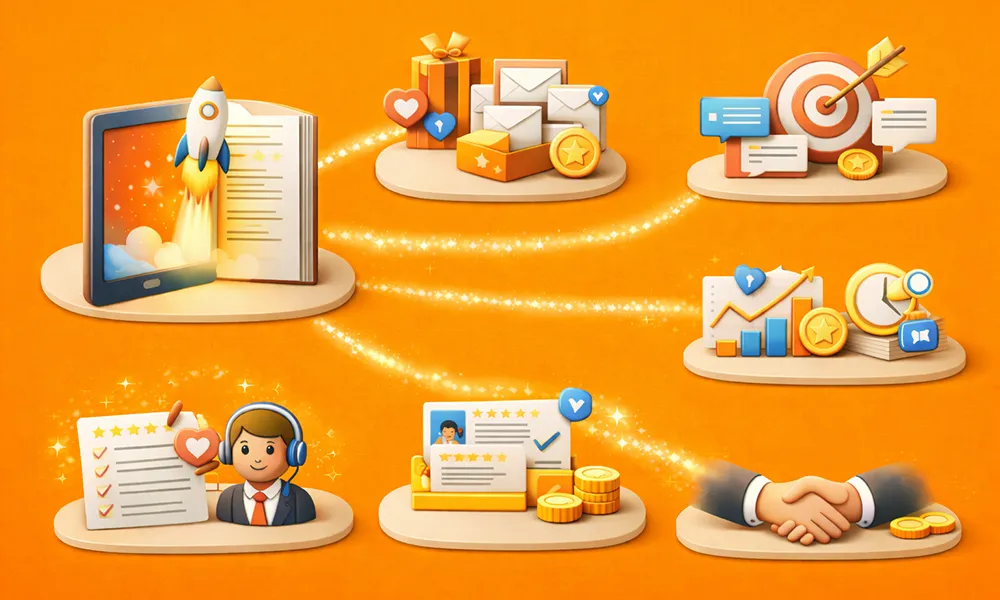
Many authors make the mistake of waiting until publication day to start marketing. By then, it is often too late to build momentum. Pre-launch marketing allows you to:
Build anticipation
Create early demand
Collect leads before launch
Test messaging and positioning
Increase first-week sales
A well-planned pre-launch phase ensures your eBook enters the market with attention already behind it.
1. Understand Your Target Audience

Every successful eBook begins with a clear understanding of who it is written for. Without this clarity, marketing efforts often miss the mark.
Define Your Ideal Reader
Start by identifying:
Age group and profession
Pain points and challenges
Preferred content formats
Buying motivation For example, an eBook aimed at business owners should focus on clarity, outcomes, and practical value, while a creative audience may respond better to storytelling and inspiration.
Match Content to Reader Intent
Your eBook marketing strategy should reflect why readers would buy your book. Ask yourself:
Are they looking for education?
Do they want step-by-step guidance?
Are they solving a specific problem?
When messaging aligns with reader intent, conversion rates improve naturally.
2. Set Up an eBook Landing Page
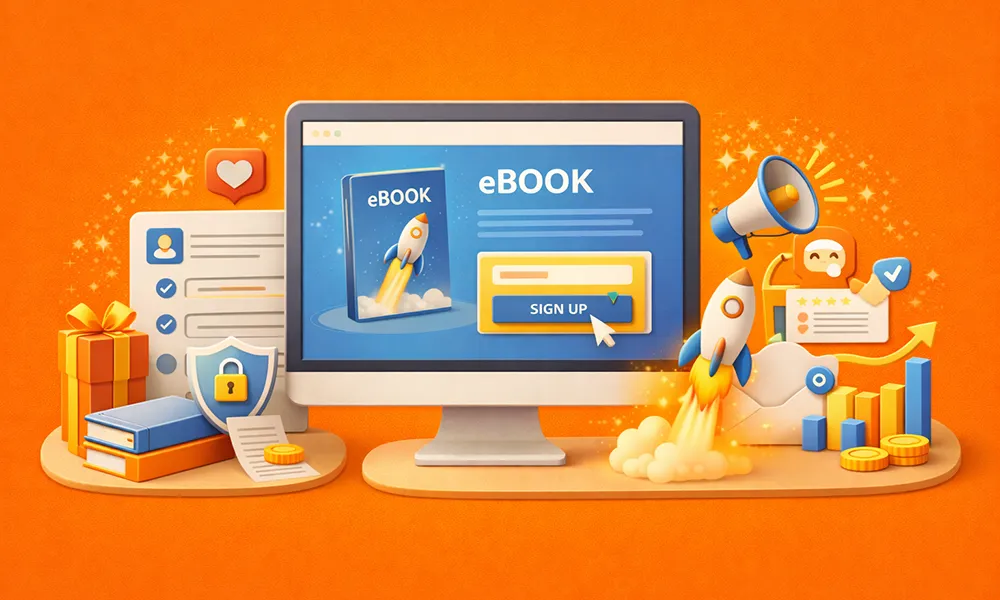
An effective eBook landing page is the foundation of pre-launch marketing. This page should focus on one goal: convincing visitors to sign up or show interest.
Key Elements of a High-Converting Landing Page
A strong headline explaining the benefit
A short description outlining the value
Bullet points highlighting outcomes
An email sign-up form or early access option
Social proof or credibility indicators
Avoid distractions such as multiple links or unrelated content. The simpler the page, the better it performs.
Optimize for Search and Sharing
Your landing page should be optimized for:
eBook marketing
eBook launch
digital publishing
self-publishing marketing
This helps attract organic traffic while also making the page easy to share across channels.
3. Drive Traffic from Different Channels
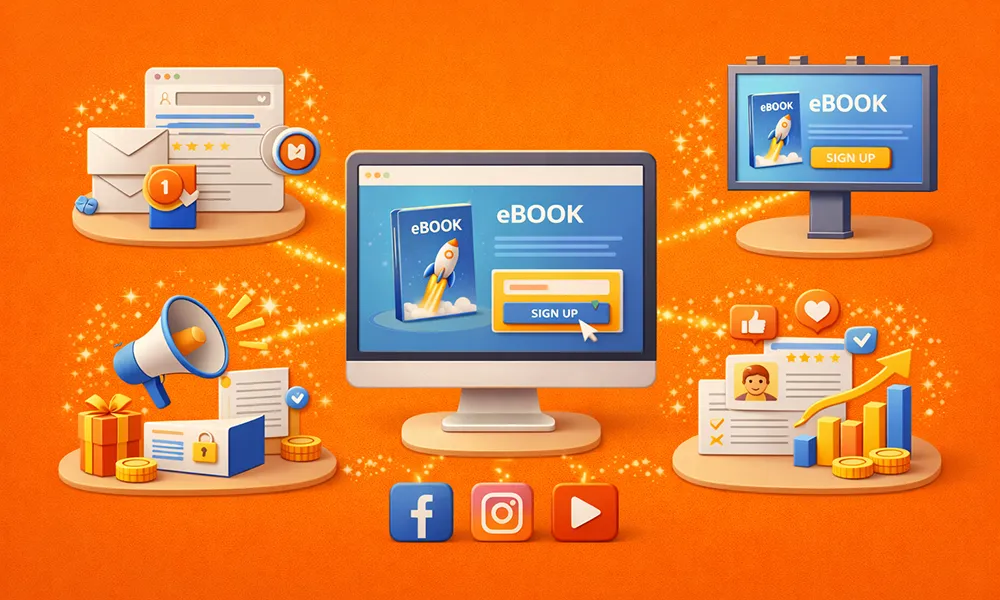
Relying on a single traffic source limits reach. A successful pre-launch strategy uses multiple channels to build awareness.
Email remains one of the most effective tools for eBook promotion. If you already have a mailing list:
Announce the upcoming eBook
Share behind-the-scenes insights
Offer early access or bonuses
If you don’t have a list yet, your landing page becomes the starting point for building one.
Social Media Promotion
Social platforms help create visibility and conversation around your eBook. Use:
Short previews or quotes
Topic-related discussions
Audience questions and polls
Consistency matters more than volume. Focus on platforms where your audience already spends time.
Content Marketing Publishing related blog posts, articles, or guest content allows you to position yourself as an authority before launch. This also supports long-term SEO visibility.
4. Nurture Contacts with a Pre-Launch Automated Series
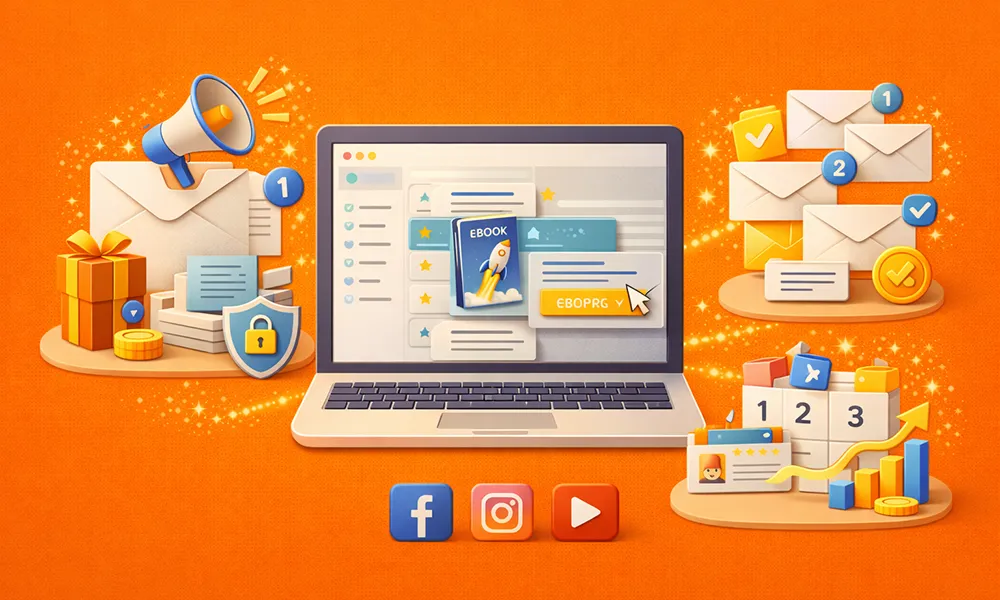
Once readers sign up, they should not be left waiting without communication. A short pre-launch email sequence keeps interest high and builds trust.
What to Include in Your Pre-Launch Series?
Introduction to the topic and purpose
Problems your eBook addresses
Personal insights or research behind the content
A launch reminder This approach warms up your audience so they are more likely to purchase when the eBook becomes available.
eBook Marketing Strategies to Increase Sales
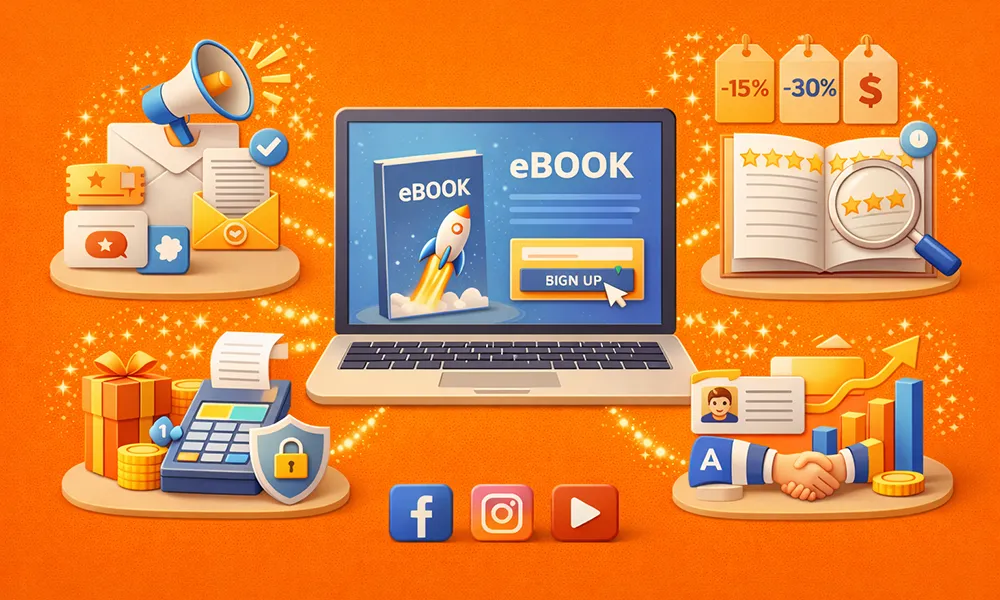
Pre-launch preparation is only part of the process. Ongoing eBook marketing services help maintain momentum after release.
Strategic Pricing Decisions
Introductory pricing can encourage early purchases and reviews. Limited-time offers also create urgency without lowering long-term value.
Platform Selection
Choose platforms that match your goals:
Direct sales through your website
Online marketplaces
Email-based delivery
Each option has different benefits for visibility, control, and revenue.
Long-Term Promotion
An eBook should not be marketed once and forgotten. Repurpose content into:
Blog articles
Email campaigns
Webinars or workshops This extends the lifespan of your eBook and increases overall return.
Making the Right Marketing Decisions for You
There is no single formula that works for every author or business. The best approach depends on:
Your audience size
Your publishing goals
Available resources
Time commitment At ContentwritingUK, we help clients develop tailored strategies based on realistic goals and measurable outcomes rather than one-size-fits-all solutions.
About the Author
This article is published by ContentwritingUK, a professional content and publishing support brand specializing in eBook content, content strategy, and digital publishing guidance for authors and businesses.
Frequently Asked Questions (FAQ)
What is eBook marketing?
eBook marketing is the process of promoting a digital book to attract readers, increase downloads, and generate sales using online channels.
Why is pre-launch marketing important for eBooks?
Pre-launch marketing builds awareness, grows an audience, and increases the likelihood of strong sales at launch.
How long should an eBook pre-launch campaign last?
Most successful campaigns run between two and four weeks, depending on audience size and goals.
Do I need an email list to sell an eBook?
While not required, an email list significantly improves conversion rates and long-term engagement.
Can businesses benefit from publishing eBooks?
Yes. Businesses use eBooks to build authority, generate leads, and support content marketing strategies.